
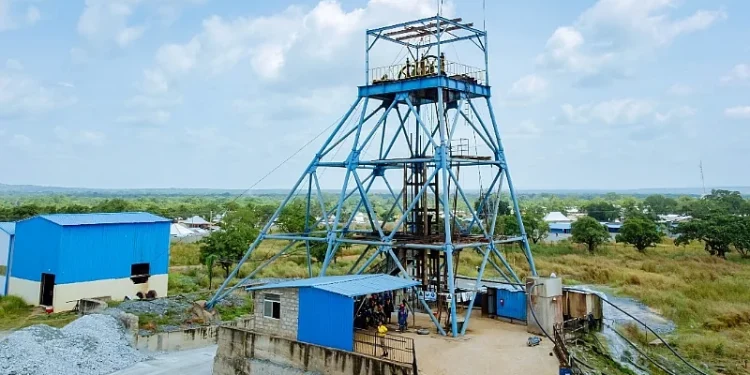
ISODEC argues that the dispute between Nalaamtaaba Mining Company and Earl International highlights a broader question of who should own and benefit from Ghana’s mineral resources. Contrary to suggestions that opportunities for community ownership have been lost, ISODEC believes there is still time to establish a more equitable mining model in Talensi through community-owned cooperatives.
Drawing on research conducted in Talensi, Kenyasi, and Obuasi, ISODEC found that local small-scale miners spent years and borrowed money to discover gold deposits, yet many were later displaced when larger, better-funded operators entered the sector. Miners claim that compensation failed to account for their investments and discoveries, and some allege pressure from political, traditional, and security actors to surrender their concessions.
According to ISODEC, the root problem is not the miners but a mining system that allows small local concession holders to be overshadowed by large-scale operators. This often leads to conflicts over ownership, compensation, and control of mineral resources.


